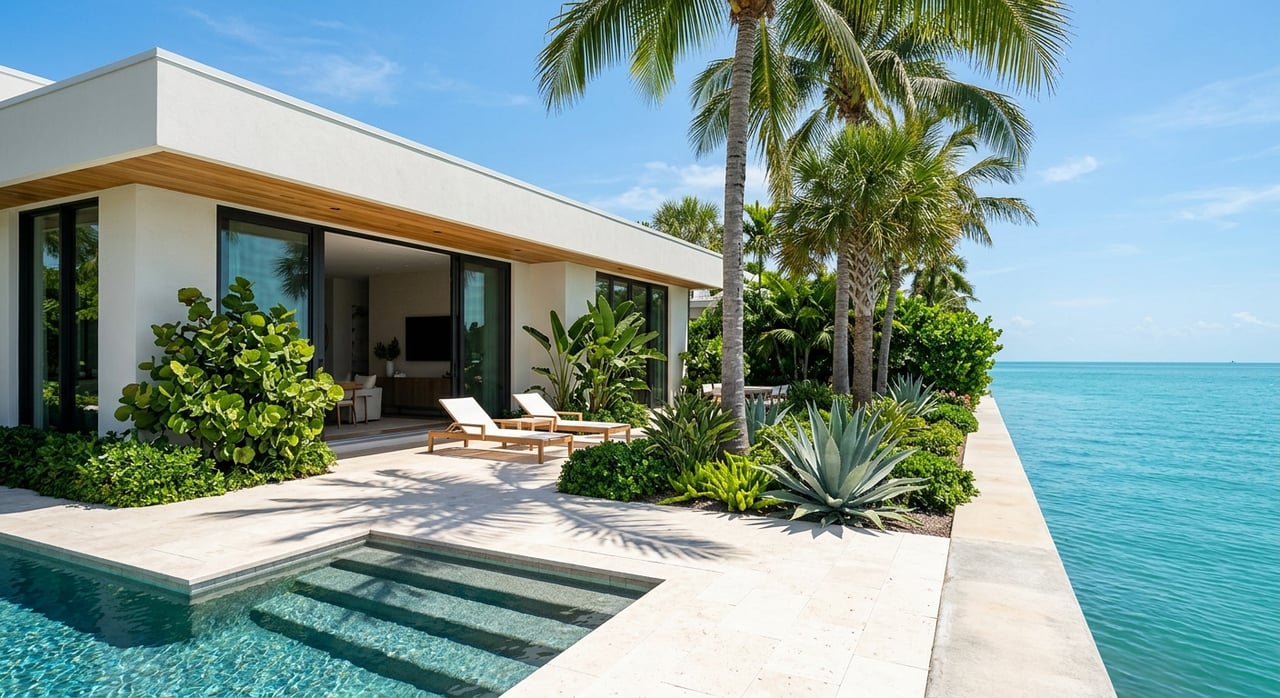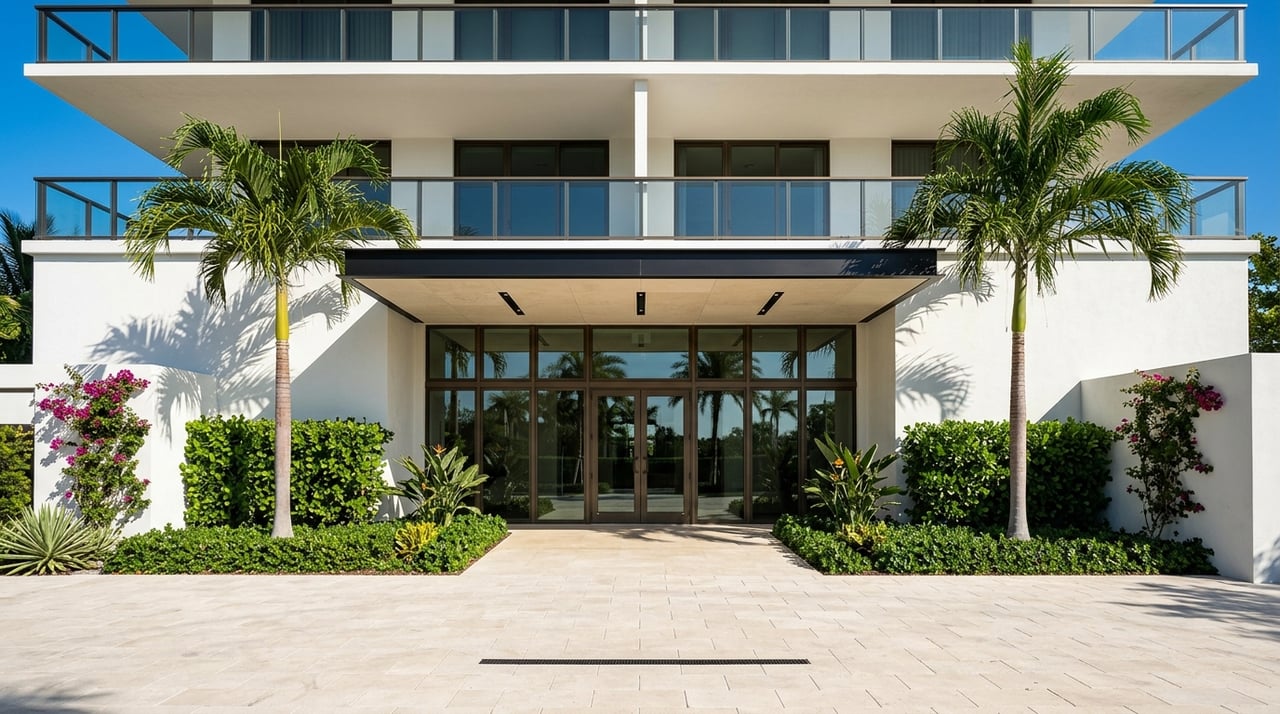
Trying to decide between a condo and a single-family home on Palm Beach Island? It is a smart question, because the right choice is often less about price alone and more about how you want to live, travel, maintain the property, and manage coastal risk. If you are weighing convenience against control, or seasonal ease against long-term flexibility, this guide will help you compare both options through a Palm Beach lens. Let’s dive in.
Why this choice matters in Palm Beach
On Palm Beach Island, both condos and single-family homes are a major part of the market. According to the Town of Palm Beach’s budget document, condos and co-ops make up about 67.5% of parcels in town, while single-family residential parcels account for about 24.2%.
That split tells you something important. Neither option is niche here. Both are central to the island lifestyle, but they create very different ownership experiences, especially in a coastal community where flood planning, storm preparation, and property oversight matter year-round.
The Town of Palm Beach also emphasizes coastal protection planning, which is a reminder that ownership on the island comes with practical considerations beyond finishes and floor plans. Whether you buy a condo or a house, you will want to verify insurance details, flood exposure, and storm-readiness early in your search.
Condo living on Palm Beach Island
For many buyers, a condo offers the easiest path to Palm Beach ownership. If you want a lock-and-leave property, less day-to-day exterior upkeep, and shared building services, a condo can be a very appealing fit.
Florida consumer guidance explains that condo associations commonly insure and maintain the building and common elements, which may include features like clubhouses, central HVAC systems, parking structures, and pools. Your personal policy, often called an HO-6 policy, typically covers your belongings and certain interior items within the unit, based on the governing documents and the master policy. You can review that framework in Florida’s homeowners insurance overview.
Condo advantages
A condo may make sense if you value:
- Less exterior maintenance
- Shared building services and amenities
- Easier seasonal use
- A more streamlined lock-and-leave setup
Palm Beach also supports part-time and seasonal ownership in practical ways. The town’s Closed House program allows residents to register a home before travel so officers can periodically check the property, and the police department offers security surveys for private residences and condominiums.
Condo tradeoffs
The biggest tradeoff with condo ownership is oversight. You are not just buying a unit. You are also buying into an association’s budget, reserve planning, insurance structure, and building condition.
That matters even more now because Florida law requires milestone inspections for condo and co-op buildings that are three habitable stories or higher once they reach age 30, and then every 10 years after that. In addition, certain condominium associations must complete a structural integrity reserve study by December 31, 2025. Florida law also requires disclosure when those reports or studies are not complete, as outlined in the relevant Florida statutes.
In plain terms, a beautiful unit is not enough. You also want to know whether the building has completed or scheduled required inspections, whether reserves appear adequate, and whether a special assessment could be on the horizon.
Condo insurance questions to ask
Before you buy a condo on Palm Beach Island, ask for clear answers to these questions:
- What does the association master policy cover?
- What interior items are your responsibility to insure?
- Has the building had recent reserve studies or condition reports?
- Are there pending or possible special assessments?
- Has the building completed or scheduled required milestone inspections?
Florida consumer guidance also notes that condo associations may assess owners for common-area losses that are underfunded or not covered by insurance. It further notes that HO-6 policies must include at least $2,000 of loss-assessment coverage, which you can confirm through the state’s insurance guidance for condo owners.
Single-family homes on Palm Beach Island
If you want maximum control, a single-family home will usually feel more flexible. You generally have more freedom over how you use, maintain, and improve the property, and many buyers prefer the privacy and autonomy that come with detached ownership.
That said, autonomy on Palm Beach Island still comes with local rules. The Town explains that landmarked or historically significant buildings may go through the Landmarks Preservation Commission and development review process, and floodplain development permits are required for work in Special Flood Hazard Areas.
So while a house often gives you more control than a condo, it is not always a blank slate. If renovation is part of your plan, it is smart to check those review requirements early.
Single-family advantages
A single-family home may be the stronger fit if you want:
- More privacy and direct control
- Flexibility for renovations and property improvements
- Full decision-making authority over the home and lot
- A detached ownership experience without association building oversight
For some buyers, that control is the deciding factor. If you plan to customize the property over time or prefer not to operate within a condo association structure, a house can align better with your goals.
Single-family responsibilities
The flip side is responsibility. With a detached home, you are usually handling more of the maintenance, insurance planning, storm preparation, and long-term upkeep directly.
Florida’s homeowners insurance overview explains that standard homeowners policies typically cover the dwelling, attached structures, and personal property. But FEMA’s flood insurance guidance makes an important point for coastal buyers: most homeowners insurance does not cover flood damage, so flood coverage is typically a separate issue to evaluate.
For a Palm Beach Island house, that means you should look closely at:
- Flood exposure
- Separate flood insurance costs
- Roof condition and opening protection
- Wind-mitigation features
- Ongoing storm-hardening needs
Citizens’ wind-mitigation guidance, referenced through Florida consumer resources, also notes that documented mitigation features can help with insurance savings. And eligible site-built single-family owners may benefit from Florida’s My Safe Florida Home program, which offers free wind-mitigation inspections and matching grants for certain retrofits.
Seasonal use versus full-time living
How you plan to use the property can make this decision much easier.
If you are buying a seasonal home, a condo often wins points for convenience. Shared maintenance, building oversight, and Palm Beach’s local services can make travel periods easier to manage. The town’s Closed House program and hurricane re-entry information are especially useful if you split time between residences.
If you are buying a primary residence, your priorities may be different. You may place more value on space, autonomy, and long-term customization, which can make a single-family home more attractive.
There is also a tax angle to think through. The Palm Beach County Property Appraiser notes that homestead exemption is available for a permanent residence and requires Florida residency evidence. If the property will not be your primary residence, ease of upkeep and travel-readiness may matter more than homestead treatment.
What buyers should compare side by side
If you are choosing between a condo and a single-family home on Palm Beach Island, here is a practical way to frame the decision:
| Consideration | Condo | Single-Family Home |
|---|---|---|
| Maintenance | Lower day-to-day exterior upkeep | More direct upkeep responsibility |
| Control | More association rules and oversight | More autonomy over property decisions |
| Insurance | Shared building coverage plus HO-6 policy | Homeowners policy plus separate flood review |
| Seasonal use | Often easier for lock-and-leave living | Can work well, but requires more planning |
| Renovation flexibility | Limited by association and building rules | Greater flexibility, subject to local review |
| Resale focus | Building reserves, inspections, assessments | Flood exposure, land use, storm-hardening |
This is where local guidance really matters. In my experience, the best choice is the one that fits how you will actually use the property, not just how it looks on paper.
Key questions before you buy
Whether you are leaning condo or single-family, ask these questions before you move forward:
Questions for condo buyers
- What does the master policy cover versus the unit owner policy?
- Are reserves funded appropriately?
- Are there current or expected special assessments?
- Has the building completed or scheduled milestone inspections?
- Has the association completed its structural integrity reserve study, if required?
Questions for single-family buyers
- Is the property in a flood-prone area?
- What will flood insurance cost separately?
- Is the home landmarked or subject to local design review?
- What storm-mitigation features are already in place?
- What are the likely long-term maintenance and hardening costs?
Which option is right for you?
A condo is often the better fit if you want simplicity, shared services, and a more travel-friendly ownership model. A single-family home is often the stronger choice if you want privacy, control, and room to shape the property over time.
Neither is automatically better on Palm Beach Island. The better option depends on how often you will be here, how much maintenance you want to manage, how comfortable you are with association oversight, and how you want to plan for insurance, flood risk, and future resale.
If you want help comparing specific Palm Beach opportunities and looking beyond the surface details, working with a local advisor can save you time and help you avoid expensive surprises. When you are ready to talk through your options, connect with Rachel Cruz for thoughtful guidance tailored to your goals.
FAQs
What is the main difference between a Palm Beach condo and a single-family home?
- A condo usually offers easier maintenance and more association oversight, while a single-family home offers more privacy and control but comes with more direct responsibility for upkeep, insurance, and storm planning.
What insurance should you review when buying a condo on Palm Beach Island?
- You should review the association master policy, what your HO-6 policy must cover inside the unit, and whether there is potential exposure to loss assessments or other uninsured common-area costs.
What insurance should you review when buying a single-family home in Palm Beach?
- You should review the standard homeowners policy, verify whether flood insurance is needed separately, and evaluate wind-mitigation features that may affect storm readiness and insurance costs.
What condo building documents matter most for Palm Beach buyers?
- Buyers should closely review reserve funding, building-condition information, milestone inspection status, structural integrity reserve study status when required, and any evidence of pending or possible special assessments.
What local rules can affect renovations to a Palm Beach single-family home?
- Depending on the property, you may need to consider floodplain development permits and whether the home is landmarked or historically significant and subject to local review.
What should seasonal buyers consider when choosing a Palm Beach property?
- Seasonal buyers should weigh ease of maintenance, lock-and-leave convenience, local security support like the Closed House program, and how easily the property can be managed during extended time away.