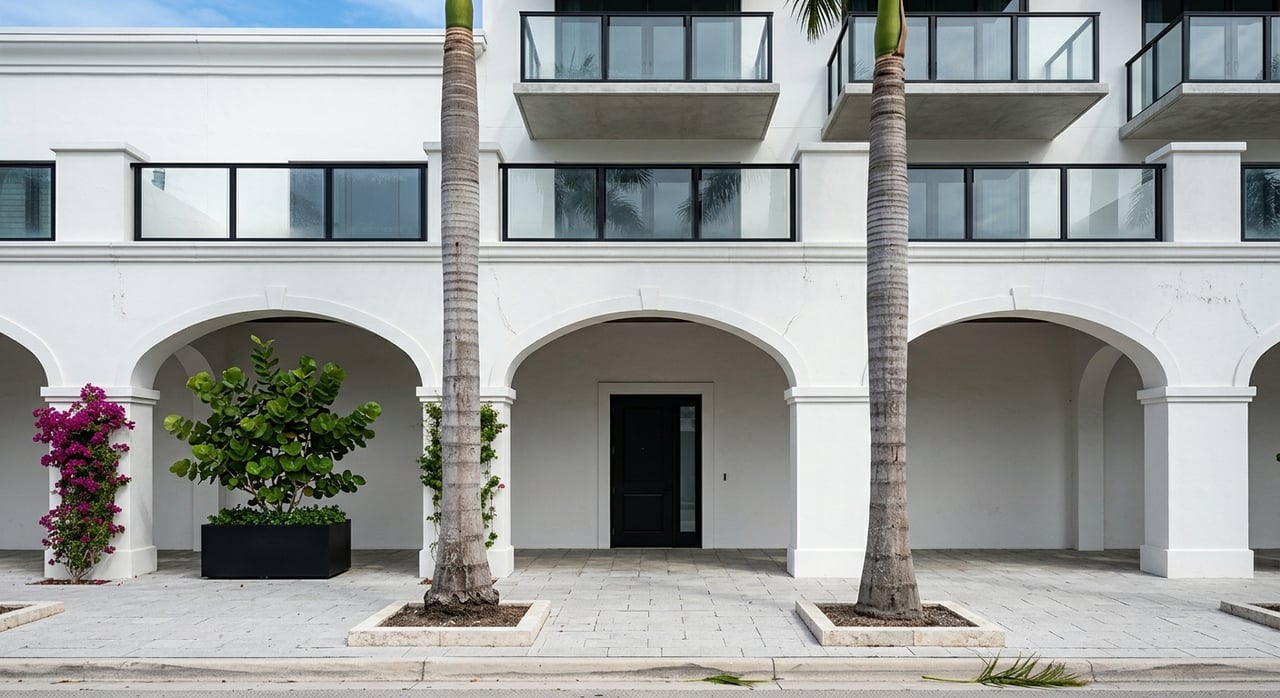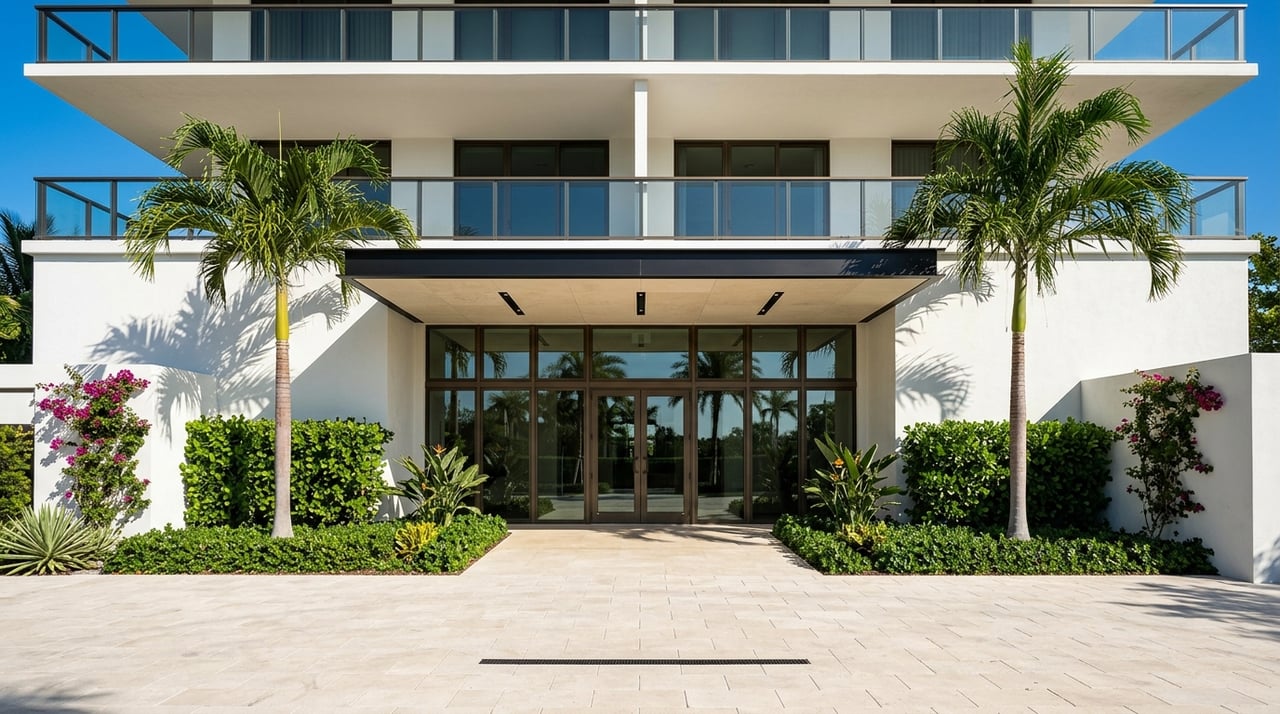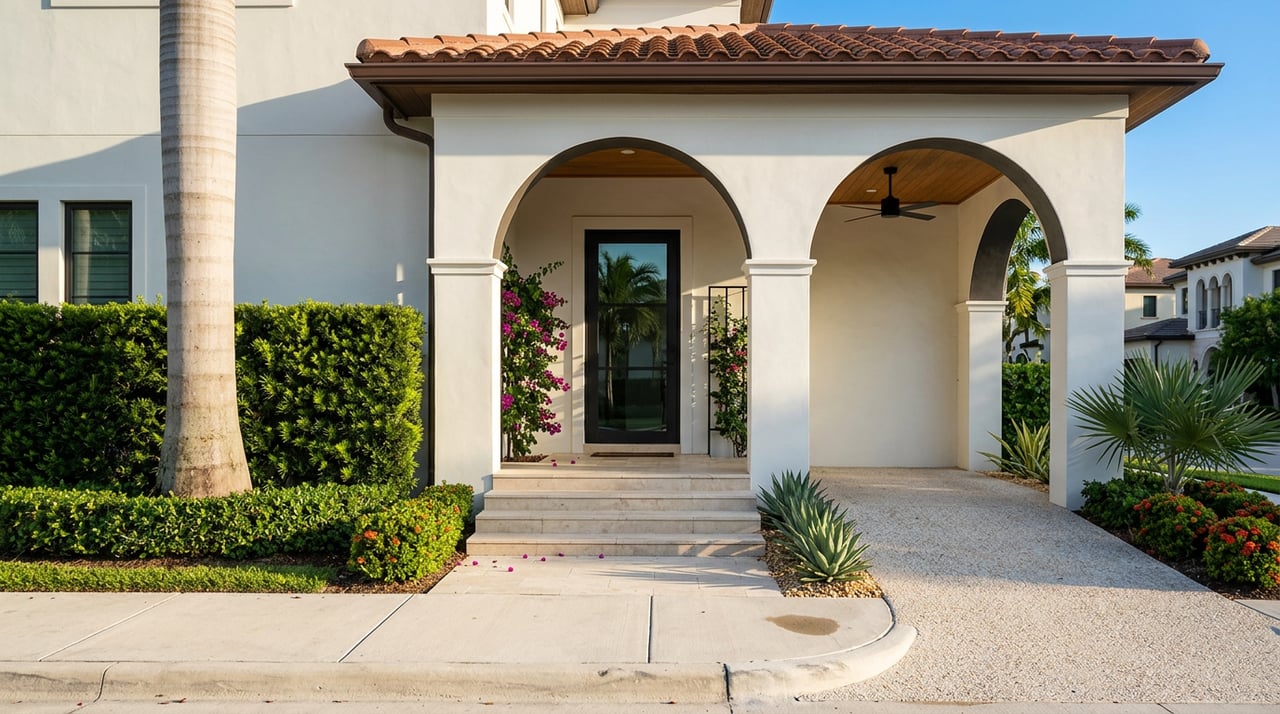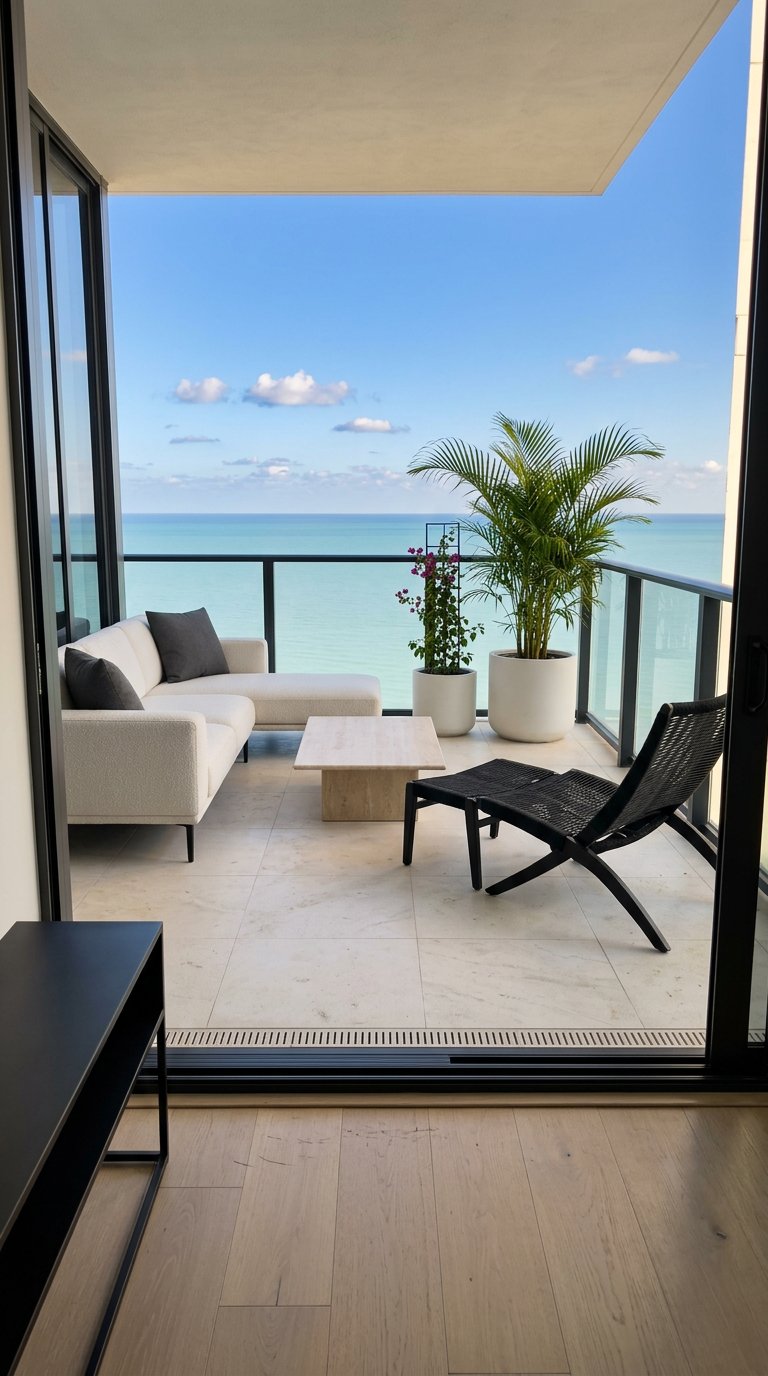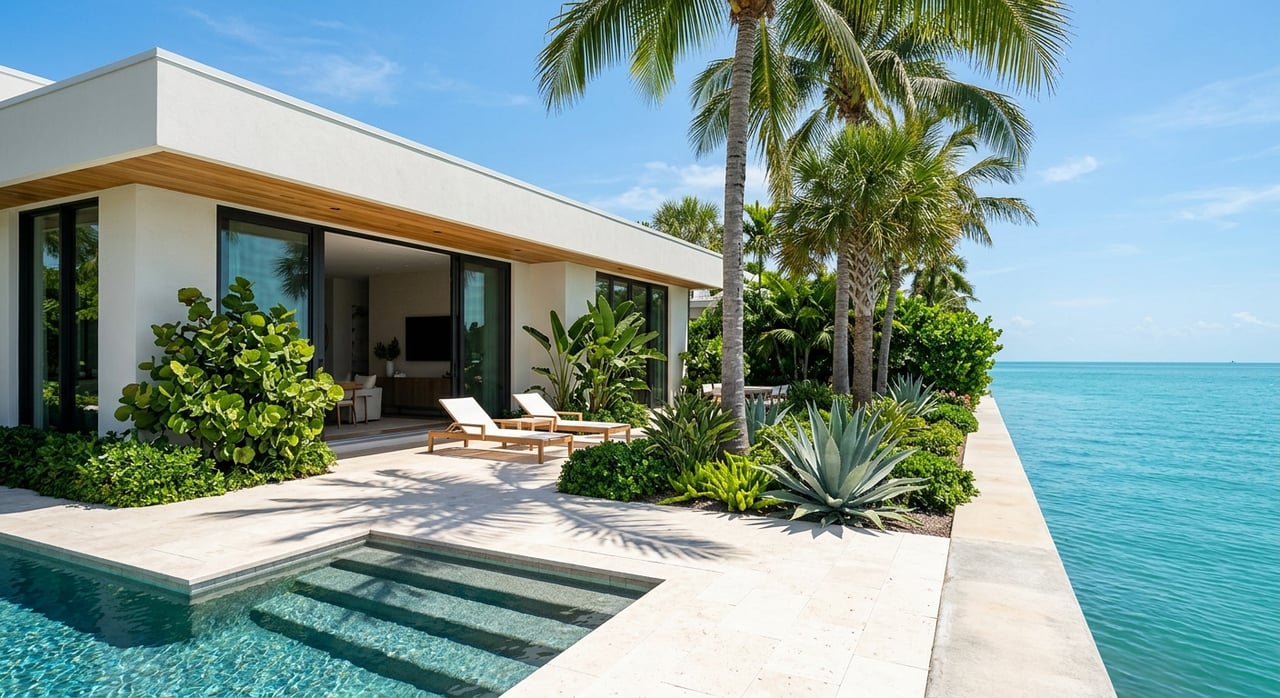
If you are torn between a waterfront home and an inland home in Delray Beach, you are asking the right question. In this market, the decision is not just about views or prestige. It is about how you want to live, what you want to spend now and over time, and how much immediate water access really matters to you. Let’s dive in.
Why This Choice Feels Different in Delray Beach
Delray Beach gives you something many coastal markets do not. You can stay close to the beach, downtown, dining, and events without necessarily buying directly on the water. According to the Downtown Delray Beach fact sheet, the downtown district spans 3.5 square miles from the interstate to the Atlantic Ocean.
That compact layout creates a spectrum of options. You may be able to enjoy a coastal lifestyle, easy access to Atlantic Avenue, and a walkable setting without paying the full premium for a waterfront address. In Delray, the real question is often how much immediate water access you want versus how much financial flexibility you want to keep.
Delray’s downtown also supports a more car-light lifestyle. The downtown materials note free east-west transportation to and from the station, along with point-to-point electric cart service, which can make inland or non-waterfront living especially practical if you still want convenient access to the city’s core.
What Waterfront Living Offers
Waterfront homes in Delray Beach often appeal to buyers who want the lifestyle front and center. That can mean direct water exposure, a stronger sense of exclusivity, and daily access to the coastal atmosphere that draws so many people to South Florida.
For some buyers, that premium is worth it. If you know you will use the water, beach access, or coastal setting as part of your everyday routine, a waterfront home can feel like a lifestyle upgrade rather than just a real estate purchase.
Delray’s beach identity is a major part of the appeal. Visit Florida’s Delray Beach overview notes that Delray Municipal Beach sits at the east end of Atlantic Avenue on South Ocean Boulevard, reinforcing how closely the city’s lifestyle is tied to the shoreline.
Waterfront Benefits to Weigh
- Immediate connection to the coastal environment
- Scarcity and lifestyle appeal in higher-priced segments
- Strong fit for buyers who will regularly use beach or water access
- A distinct ownership experience that can feel more like a destination property
What Inland Homes Offer
Inland homes can make a lot of sense in Delray Beach because “inland” does not always mean far from the action. Thanks to the city’s size and layout, many non-waterfront homes still offer practical access to downtown, Atlantic Avenue, and the beach-town lifestyle buyers want.
The biggest advantage is usually value. Inland homes often offer a lower entry point, more budget flexibility, and potentially lower ongoing ownership pressure compared with the most water-exposed properties.
That can be especially important if you want to preserve room in your budget for renovations, furnishings, seasonal use, or long-term holding costs. It can also matter if resale liquidity is high on your priority list.
Inland Benefits to Weigh
- Lower purchase price in many parts of the market
- Broader affordability for future resale buyers
- Less exposure to salt-spray-related wear near the coast
- Potentially simpler insurance planning than highly water-exposed homes
Delray Price Differences by Area
The pricing spread across Delray Beach helps explain why this decision deserves careful thought. According to Redfin’s Delray Beach housing market data, the citywide median sale price was $543,000 in February 2026, with 95 days on market.
Redfin’s March 2026 zip-level snapshots show a clear gradient. Median sale price was $1.1125 million in 33483, $760,000 in 33444, and $335,000 in 33445. Median days on market were 111, 88, and 79 respectively.
These figures do not mean every home in an eastern zip code is waterfront or that every inland home is the same. Still, they show how sharply pricing can rise as you move closer to the coast and more premium locations. In practical terms, the premium for a more coastal address can be substantial.
Ownership Costs Matter More Near Water
The purchase price is only part of the story. The closer you get to the coast, the more important it becomes to think about maintenance, materials, flood exposure, and insurance.
FEMA’s Coastal Construction Manual explains that salt spray and moisture can accelerate corrosion and decay in coastal buildings. It also notes that salt spray is strongest near breaking waves, declines with distance inland, and can still create meaningful corrosion pressure within roughly 300 to 3,000 feet of the coast.
That has real ownership implications. Exterior finishes, metal components, and building systems may need closer attention over time in more water-exposed locations. FEMA also notes that stainless steel is recommended within 3,000 feet of the coast, which shows how building durability becomes a bigger part of the decision near the shoreline.
Extra Waterfront Carrying Costs to Expect
- More frequent exterior upkeep
- Higher likelihood of corrosion-related wear
- Greater importance of durable, coastal-resistant materials
- More insurance review before closing
Flood Zones and Insurance Questions
Flood risk should be part of your home search from the start, especially if you are considering waterfront or coastal homes. FEMA states that the Flood Map Service Center is the official public source for flood-hazard information.
FEMA also defines Special Flood Hazard Areas as higher-risk zones where mandatory flood insurance rules apply for many government-backed mortgages. Even outside those areas, lenders can still require flood insurance, so getting quotes early is a smart move.
One more detail matters here. FEMA notes that a 1% annual chance flood translates to about a 26% chance over a 30-year mortgage, and NFIP policies often have a 30-day waiting period. If you are comparing waterfront and inland homes, this is one of the clearest areas where ongoing ownership costs can differ.
Resale Can Look Different by Segment
Buyers often focus on lifestyle first, but resale should still be part of the equation. In Delray Beach, higher-priced coastal segments may offer scarcity and strong appeal, but they can also be more selective and take longer to trade.
According to the Miami Realtors Palm Beach County market metrics report, single-family homes in 33483 received 89.2% of original list price and took 116 days to contract in Q4 2025. In 33444, homes received 94.4% and took 42 days, while 33445 reached 94.6% and took 38 days.
These zip-level numbers are broad market proxies, not pure waterfront samples. Still, they suggest an important pattern: premium coastal inventory can move more slowly, while more affordable inland segments may appeal to a broader buyer pool.
How to Decide Which Fit Is Better
The best choice usually comes down to your actual habits, financial comfort, and time horizon. A waterfront premium may make sense if you plan to use that lifestyle often and stay long enough for the benefits to feel worthwhile.
An inland home may be the better fit if you want to stay close to Delray’s core while keeping more room in your budget for flexibility and lower carrying costs. In this market, that is not a compromise for many buyers. It is a very practical way to enjoy Delray Beach.
Ask Yourself These Questions
- How often will you realistically use immediate water or beach access?
- Are you comfortable with the maintenance and insurance demands that may come with a more coastal property?
- Do you want walkability and access to Atlantic Avenue without paying the highest coastal premium?
- Is your priority lifestyle scarcity, or a lower entry point and broader future resale audience?
- How long do you expect to own the home?
A Simple Side-by-Side View
| Factor | Waterfront Home | Inland Home |
|---|---|---|
| Lifestyle | Direct coastal or water-focused living | Coastal access without direct waterfront exposure |
| Price | Typically higher in premium coastal segments | Often lower entry point |
| Maintenance | Higher due to salt, moisture, and exposure | Generally less salt-spray pressure |
| Flood and insurance review | More important to investigate early | Still important, but often less complex |
| Resale pool | Can be strong but more selective | Often broader affordability pool |
The Delray Advantage
What makes Delray Beach unique is that this is rarely an all-or-nothing decision. Because the city is compact and its downtown connects so closely to the beach, arts, dining, and events, you can often choose a home based on your budget and ownership goals without giving up the Delray lifestyle altogether.
That is why I encourage buyers to treat this as a lifestyle and carrying-cost decision, not just a prestige decision. The right home is the one that fits how you will actually live, what you want to spend over time, and how you want your investment to perform.
If you want help comparing waterfront and inland options in Delray Beach, I’d love to guide you through the trade-offs with local market insight and a clear strategy tailored to your goals. Connect with Rachel Cruz to schedule a consultation.
FAQs
What is the main difference between waterfront and inland homes in Delray Beach?
- The main difference is usually a trade-off between immediate water access and higher carrying costs versus more budget flexibility and easier access to a broader resale market.
How much more expensive are coastal areas in Delray Beach?
- Based on Redfin March 2026 zip-level data, median sale price was $1.1125 million in 33483, compared with $760,000 in 33444 and $335,000 in 33445.
Do waterfront homes in Delray Beach usually cost more to maintain?
- Yes. FEMA guidance shows that salt spray and coastal moisture can increase corrosion and decay pressure, especially closer to the shoreline.
How should buyers check flood risk for a Delray Beach home?
- Buyers should review the property through FEMA’s official Flood Map Service Center and get flood insurance quotes early in the process.
Are inland homes still close to the Delray Beach lifestyle?
- Often, yes. Delray’s compact layout allows many non-waterfront homes to stay relatively close to downtown, Atlantic Avenue, and beach access.
Which Delray Beach homes may be easier to resell?
- Broadly speaking, inland segments may appeal to a wider affordability pool, while premium coastal segments can be more selective and may take longer to contract.