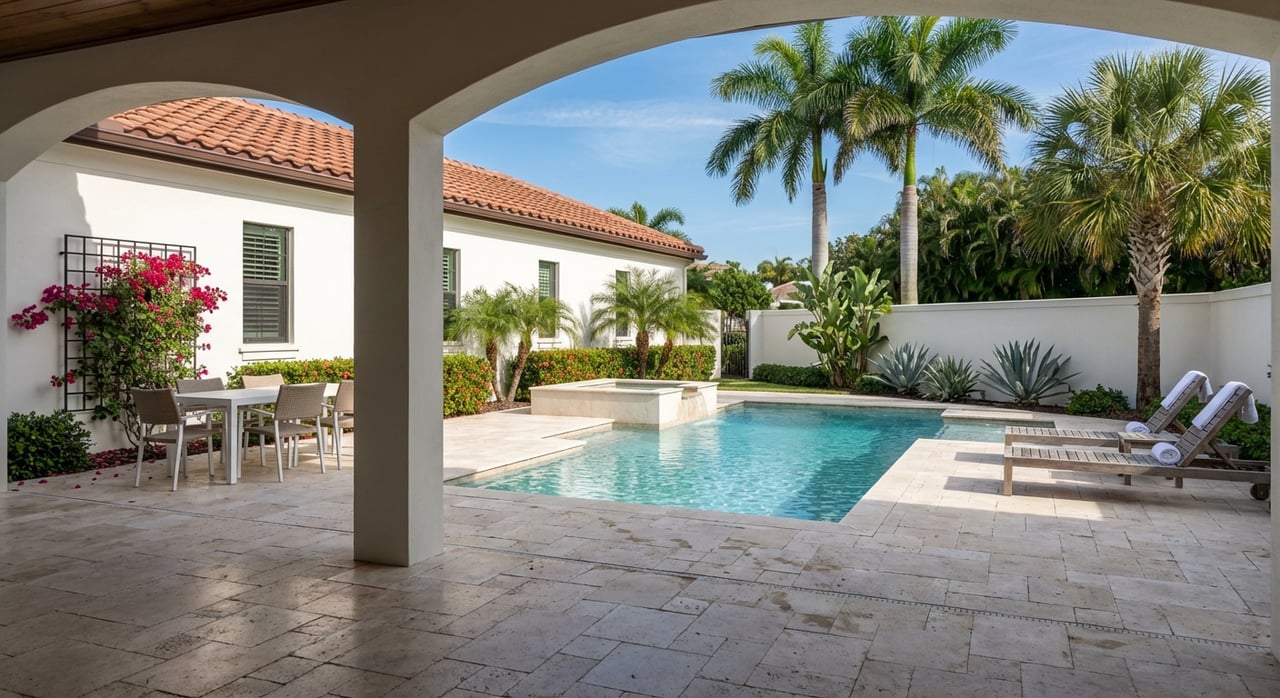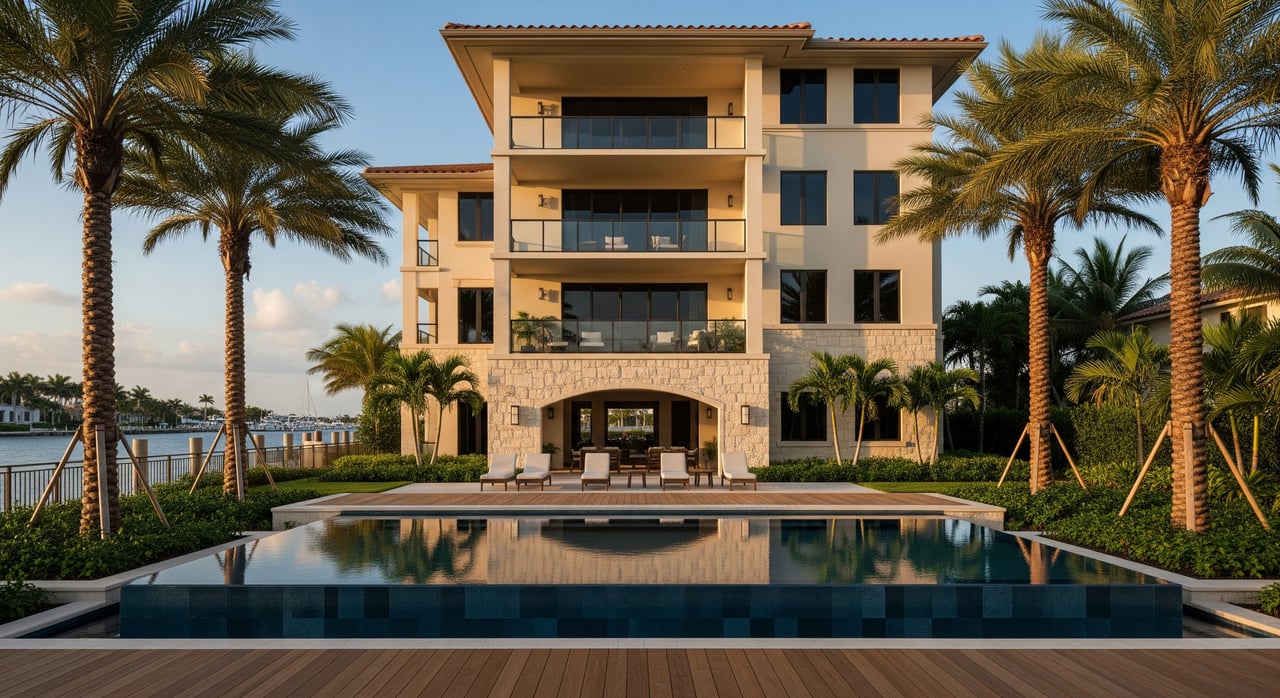
Have you fallen for a condo in Palm Beach Gardens and heard the word “warrantable” pop up? That single term can change your interest rate, down payment, and how fast you close. If you’re buying or selling a condo here, understanding warrantability helps you plan with confidence and avoid last‑minute surprises. In this guide, you’ll learn what warrantable and non‑warrantable mean, how lenders decide, how financing changes, and the exact steps I use to pre‑vet buildings so you can move forward smoothly. Let’s dive in.
What “warrantable” really means
A warrantable condo is a building that meets the project‑eligibility rules of Fannie Mae or Freddie Mac. When a project is warrantable, you can typically use conventional loans with competitive rates and predictable underwriting.
A non‑warrantable condo is a building that does not meet those standards. It might have issues such as high investor concentration, inadequate reserves, litigation, or insurance gaps. Financing is still possible, but options are more limited and can include portfolio or specialty loans, or FHA/VA only if the project is approved for those programs.
Why it matters: warrantable condos usually qualify for the broadest lender choice, lower rates, and faster approvals. Non‑warrantable condos often come with higher rates, larger down payments, fewer lender options, and longer review times, which can affect both marketability and closing speed.
Palm Beach Gardens factors to know
South Florida has a high number of condominium buildings, including many older structures and properties historically used for seasonal stays. Lenders look closely at owner‑occupancy versus investor use, reserve funding, and any signs of deferred maintenance.
Insurance is a major focus here due to hurricane wind and flood risks. Expect lenders to review the master policy, windstorm deductibles, and flood coverage. Since the Surfside tragedy, there is increased scrutiny on structural inspections, reserve studies, and association transparency across Florida. Having current studies and clear documentation has become the norm.
Lender checks that matter
Lenders and agencies evaluate the building as carefully as they evaluate you. Here are the project items they review most often:
Owner‑occupancy and investor mix
Lenders check how many units are owner‑occupied versus investor‑owned or vacant. A high share of rentals or short‑term occupancy can limit eligibility for conventional financing.
Single‑entity ownership concentration
If one person or company owns a large percentage of units, it can reduce marketability and trigger non‑warrantable status.
Commercial or mixed‑use space
Many programs cap how much of the project can be commercial. Excess retail or office space in the building can affect eligibility.
Insurance coverage and deductibles
The master policy must adequately cover common areas, and flood and wind coverage must fit local risks. High deductibles or missing coverage can be a red flag in Florida.
Reserves and reserve study
Lenders want to see a current reserve study and proof of funded reserves. Underfunded reserves suggest higher risk for special assessments or deferred maintenance.
Special assessments and financial health
Large or recent special assessments, low operating cash, or unpaid dues can cause agency ineligibility or extra conditions.
Litigation
Pending litigation, especially related to construction or structural issues, can block conventional financing until resolved or fully understood by the lender.
Physical condition and inspections
Evidence of structural concerns or deferred maintenance may require an engineer’s report and can make a project non‑warrantable.
Legal documents and management
Lenders review the declaration, bylaws, budgets, and property management details to confirm the HOA is well governed and transparent.
Documents lenders typically request
- Condo project questionnaire completed by the HOA or management
- Master insurance policy and flood/hazard coverage details
- Current budget and recent financial statements
- Reserve study and proof of reserve balances
- Recent board meeting minutes
- Unit list with owner and occupancy status
- Evidence of completed construction, if applicable
Financing differences by condo status
If the condo is warrantable
- Rates and fees: Usually the most competitive conventional pricing.
- Down payment: Access to standard conventional programs, including some low‑down options for qualified buyers.
- Speed: Faster approvals because lenders use predictable project checklists.
- Program access: Broadest choice of conventional lenders; some buildings also qualify for FHA/VA if separately approved.
If the condo is non‑warrantable
- Rates and fees: Fewer lender options and often a pricing premium.
- Down payment: Typically higher minimums; low‑down conventional options are uncommon.
- Speed: Longer timelines due to project‑level underwriting and extra documentation.
- Program access: Possible portfolio or specialty loans. FHA/VA can be used only if the project is FHA/VA approved.
Step‑by‑step condo vetting plan
Here is the workflow I use early in your search or before we list your condo. The goal is to surface issues early and align the right financing strategy.
Step 0: Pre‑screen with lender partners
I loop in trusted mortgage partners experienced with Florida condos to see if the building is already known to be agency‑eligible or if they’ve flagged issues previously.
Step 1: Gather association documents
We request the current budget, two years of financials, the reserve study and reserve balances, master insurance declarations including wind and flood, HOA minutes from the last 6–12 months, unit/occupancy list, governing docs, and any disclosures on litigation or special assessments.
Step 2: Order the condo questionnaire
I have the lender send the standard condo project questionnaire to the HOA or management right away. This helps identify eligibility issues and whether a deeper project review is needed.
Step 3: Evaluate red flags
We look for single‑entity ownership concentration, recent or large assessments, high delinquencies, pending litigation, thin or missing reserves, unusually high insurance deductibles, or older buildings without recent structural inspections.
Step 4: Confirm financing pathways
If the project is warrantable, we proceed with standard preapproval. If it is non‑warrantable or unclear, we get a written outline of portfolio options, expected down payment, pricing, and timeline, or confirm if FHA/VA approval exists.
Step 5: Set expectations
I communicate expected timing for project review, potential requests for additional reports, and the impact on rates or down payment so there are no surprises.
Red flags in Palm Beach County
- No master insurance for common areas or inadequate wind/flood coverage
- Significant structural concerns or unresolved engineering reports
- One owner or developer controls a large share of units
- High percentage of rentals beyond lender limits
- Major special assessments without a clear funding plan
Options if your condo is non‑warrantable
You still have paths forward. Many banks and non‑bank lenders offer portfolio and specialty loans tailored to non‑warrantable projects. Expect higher down payment requirements and pricing adjustments. If your building is FHA or VA approved, those programs may be available to eligible buyers. Cash is always an option for certain buyers.
If you’re a seller, work with your association to strengthen the building’s profile. Resolving litigation, updating inspections, improving reserve funding, and right‑sizing insurance coverage can help a project move toward warrantable status over time.
Seller tips for smoother closings
- Gather docs before going live. Have the budget, financials, reserve study, insurance declarations, minutes, and disclosures ready.
- Pre‑underwrite with a lender. A quick project read can determine if we should target conventional buyers or plan for portfolio options.
- Set the right expectations. If non‑warrantable, we structure pricing, timelines, and marketing to attract qualified buyers prepared for the financing path.
- Highlight strengths. Strong reserves, clean inspections, and robust insurance help build buyer confidence.
Buyer tips to stay competitive
- Get preapproved with a lender experienced in Florida condos.
- Ask about the building’s warrantability early. We will request the questionnaire and financials at the start.
- Be flexible on financing. If non‑warrantable, consider portfolio options and budget for higher down payment and longer timelines.
- Build in time. Extra project review can add weeks. Planning ahead keeps your offer credible.
Buying or selling a condo in Palm Beach Gardens should feel straightforward and secure. With the right prep, you can avoid delays and choose the best financing for your goals. If you want a clear, proactive plan and concierge‑level guidance from first showing to closing, connect with me. I’ll coordinate the building review, align the right lenders, and manage the process so you move with confidence.
Ready to get started? Reach out to Rachel Cruz for a tailored strategy and next steps.
FAQs
What does warrantable vs non‑warrantable mean for buyers?
- Warrantable condos meet Fannie Mae or Freddie Mac project standards, enabling conventional financing; non‑warrantable condos often require portfolio loans, FHA/VA only if approved, or cash.
How do lenders determine if a Palm Beach Gardens condo is warrantable?
- Lenders review the condo questionnaire, insurance coverage, reserves and reserve study, occupancy mix, financial health, litigation, and any structural or inspection issues.
Can I use FHA or VA on a non‑warrantable condo in Florida?
- Yes, but only if the project is FHA or VA approved; if the building is not approved, those programs are generally unavailable.
Do older Florida condos automatically count as non‑warrantable?
- No. Age alone does not disqualify a building, but older properties are more likely to face reserve, maintenance, or structural concerns that lenders will scrutinize.
What happens if the HOA is in litigation?
- Material litigation is a common reason for non‑warrantability. Lenders evaluate the type and potential financial impact; structural or construction defect claims often block agency financing.
Can a non‑warrantable condo become warrantable later?
- Yes. Resolving litigation, improving reserves, updating insurance, completing inspections, or finishing construction phases can help a project meet agency standards in the future.